
The modern workplace is undergoing a significant transformation. As organizations place greater emphasis on employee wellbeing, productivity, and workplace experience, office seating is no longer viewed as a basic furnishing—it has become a strategic investment in workforce performance.
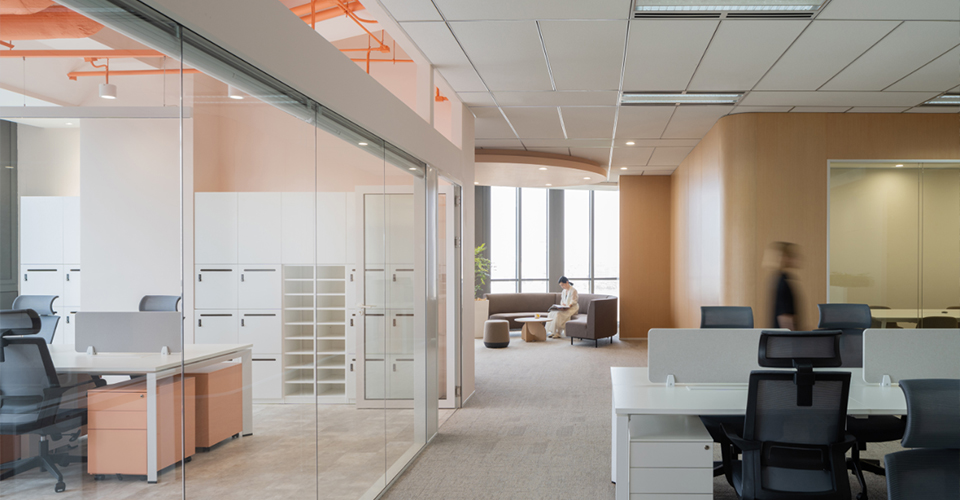
According to workplace research, employees spend an average of 6 to 9 hours seated each day. Prolonged sitting, poor posture, and inadequate support can contribute to discomfort, fatigue, and reduced productivity. As a result, businesses across industries are increasingly prioritizing ergonomic office seating solutions that promote healthier and more comfortable work environments.
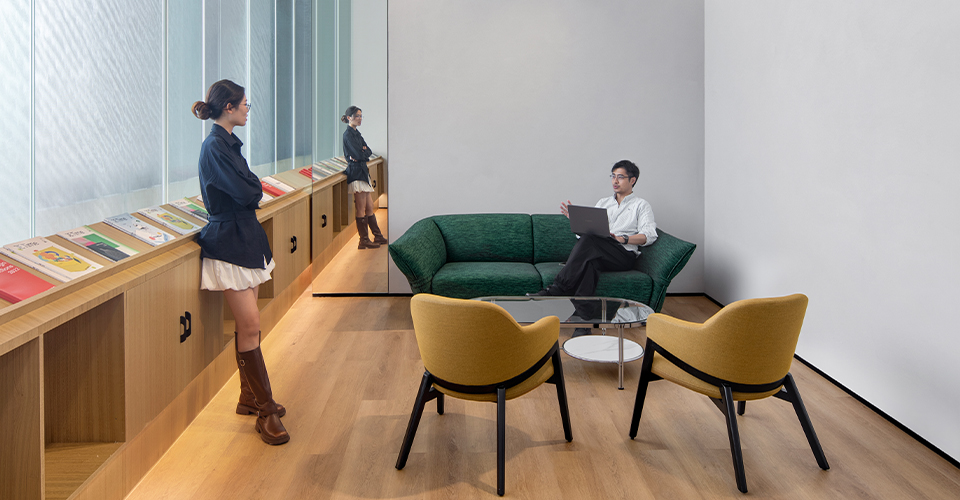
Today, the demand for ergonomic office chairs continues to grow as companies seek to create workplaces that support both physical wellbeing and business performance.
Human-Centered Design Takes Priority
Modern office chairs are being designed around the needs of people rather than simply meeting functional requirements.
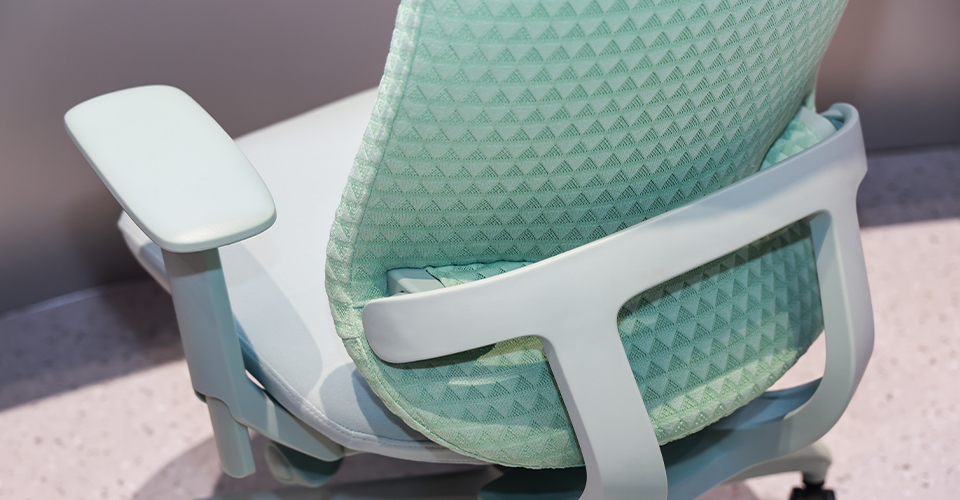
Features such as adjustable lumbar support, seat depth adjustment, synchronized tilt mechanisms, and customizable armrests allow users to personalize their seating experience, helping reduce physical strain during extended work sessions.
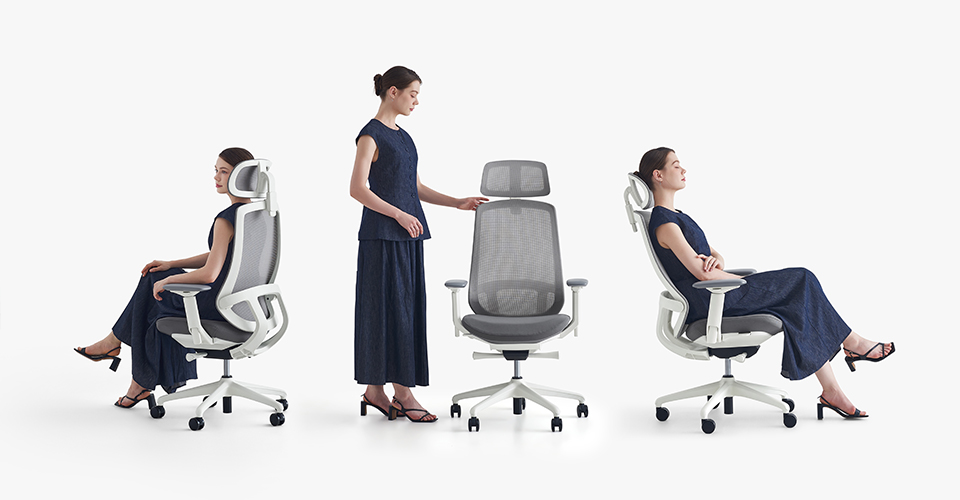
Human-centered design is no longer considered a premium feature—it has become an expectation in contemporary workplaces.
Flexible Workspaces Require Flexible Seating
Hybrid work models have transformed how office spaces are used.
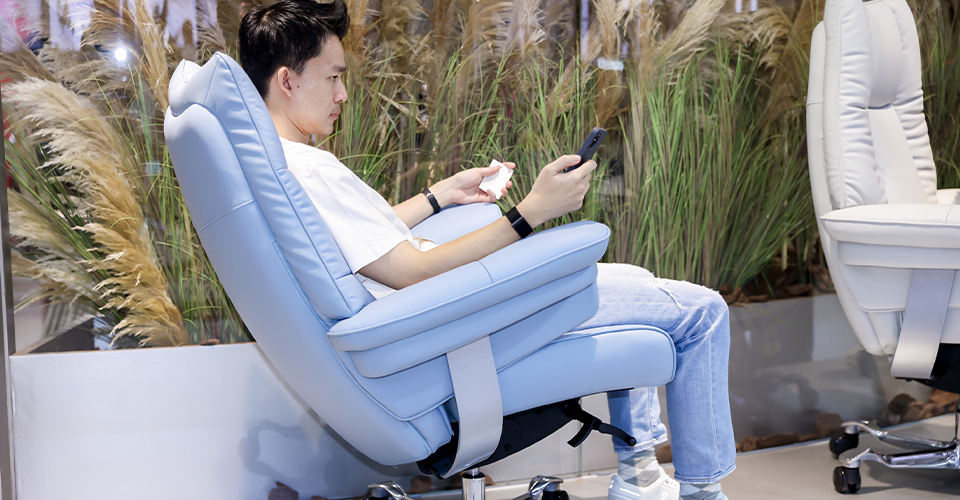
Organizations are increasingly adopting activity-based workplace strategies, creating environments that support focused work, collaboration, informal meetings, and social interaction. As a result, seating solutions must be adaptable to a variety of workplace scenarios.
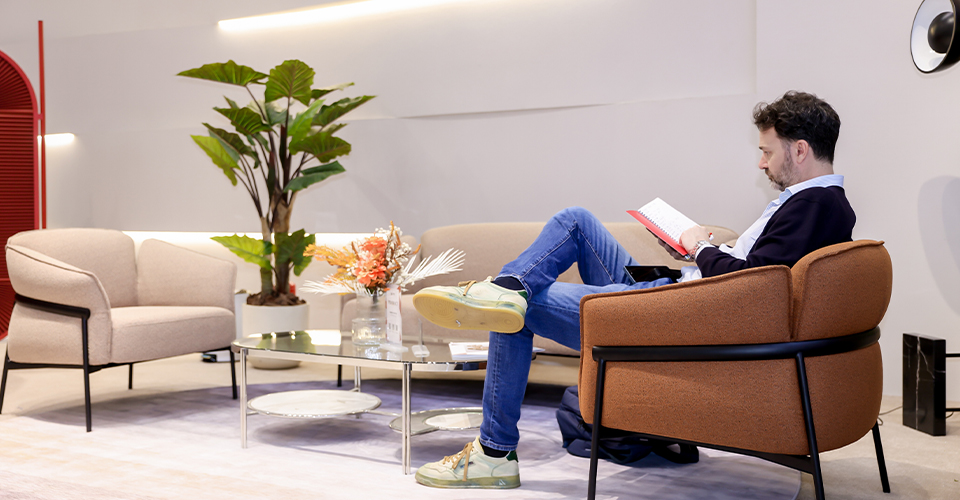
From ergonomic task chairs and executive seating to lounge furniture and collaborative seating solutions, flexibility has become a defining characteristic of modern office design.
Sustainability Is Influencing Purchasing Decisions
Environmental responsibility is becoming a major factor in workplace procurement decisions.
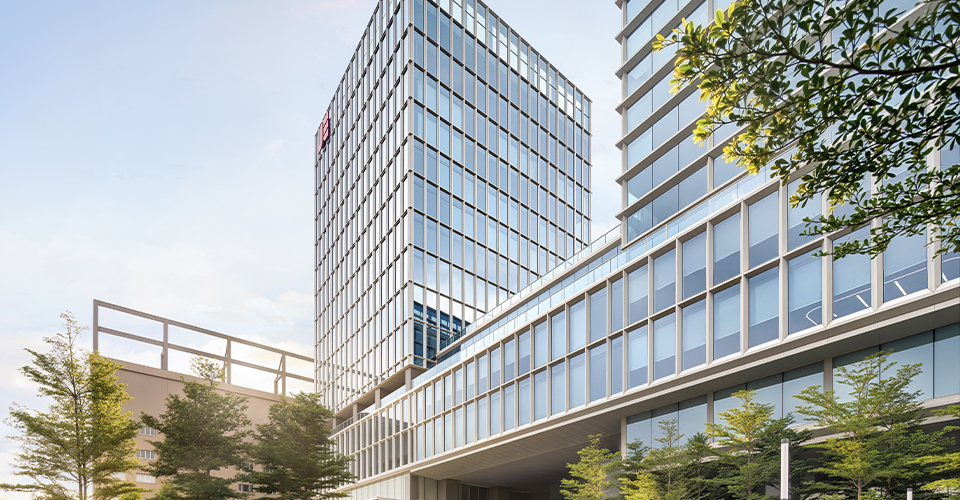
Businesses are paying closer attention to product certifications, recyclable materials, low-emission manufacturing processes, and sustainable supply chain practices. Certifications such as FSC®, GREENGUARD Gold, and GRS are increasingly viewed as indicators of a manufacturer’s commitment to responsible production.
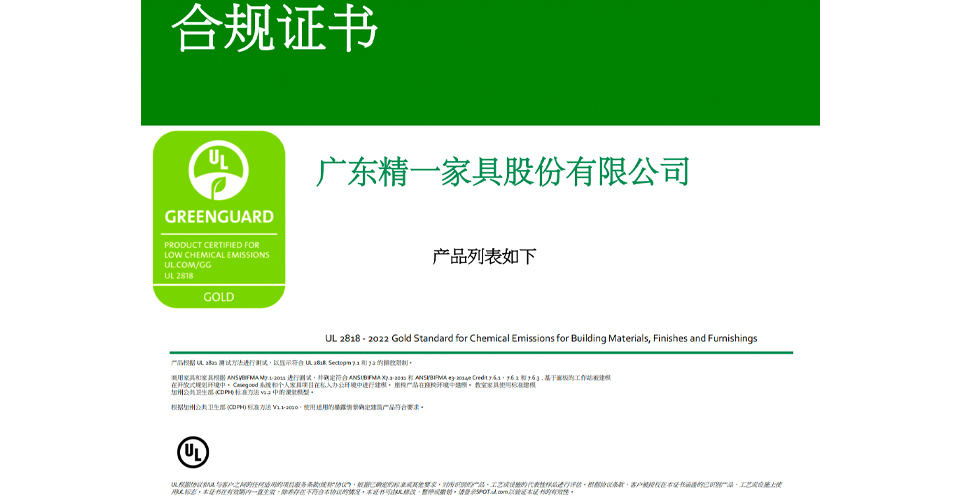
Sustainability is no longer an added value—it is becoming a fundamental requirement for many global organizations.
Employee Experience Is the New Workplace Metric
Workplace design is shifting from a focus on efficiency alone to a broader emphasis on employee experience.
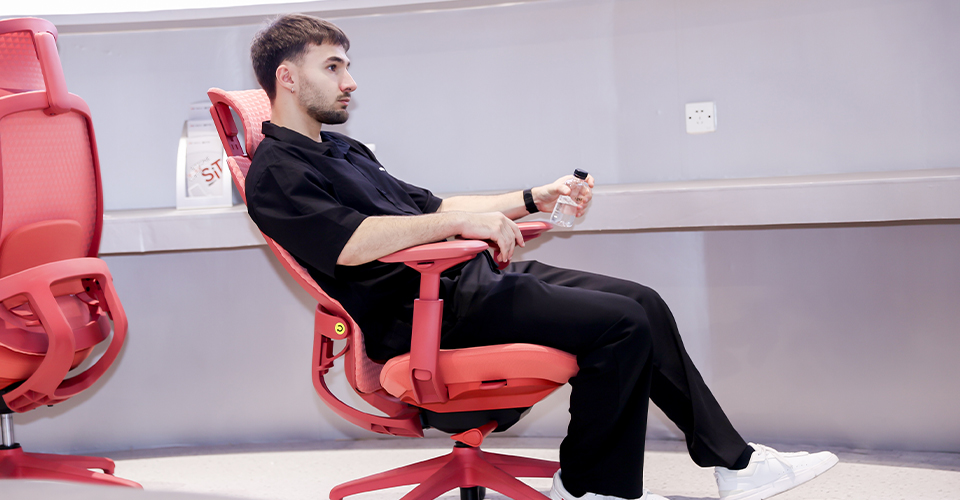
Comfortable seating contributes to employee satisfaction, engagement, and overall workplace wellbeing. Organizations are recognizing that a positive workplace experience can improve retention, collaboration, and productivity.
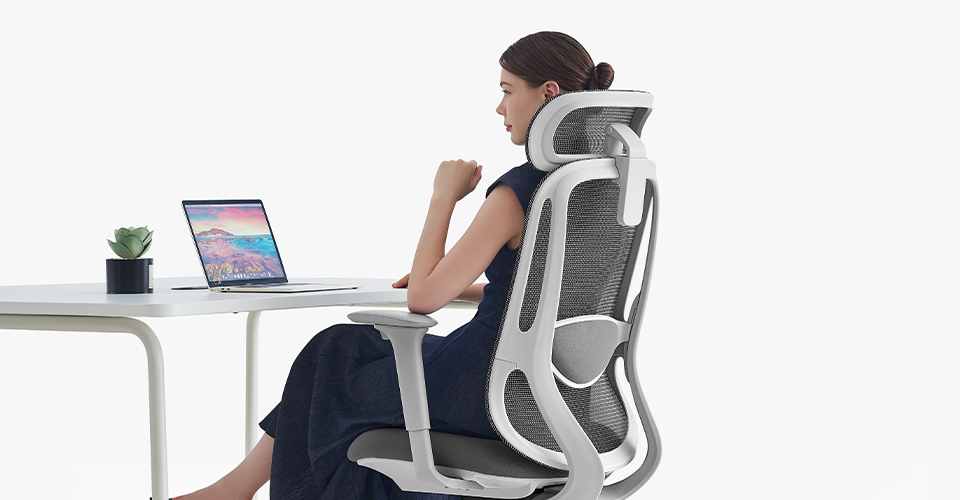
As a result, office furniture is playing a more important role in shaping workplace culture than ever before.
Creating Workspaces That Support People
As workplace expectations continue to evolve, office seating must do more than provide a place to sit. It must support health, encourage productivity, enhance collaboration, and contribute to a positive workplace experience.
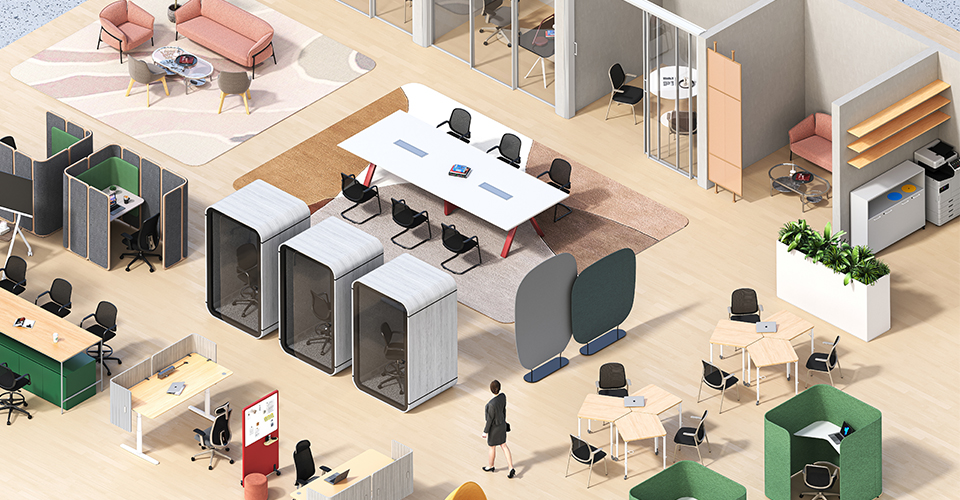
At JE Furniture, we believe great seating begins with a deep understanding of how people work. Through continuous innovation in ergonomics, sustainable manufacturing, and workplace design, we are committed to creating seating solutions that help organizations build healthier, more productive, and more inspiring work environments.
Post time: Jun-09-2026